Women and menPhysician ledTelehealth and in person
At a glance
How hormone care works at APL
Hormones, blood sugar and body composition are closely linked, so we look at them together and adjust your plan as you go.
For
Women and men
First step
Labs and a full history review
Care
HRT, testosterone and metabolic health
Follow up
Regular checks and adjustments
Areas of care
Hormone and metabolic care for women and men
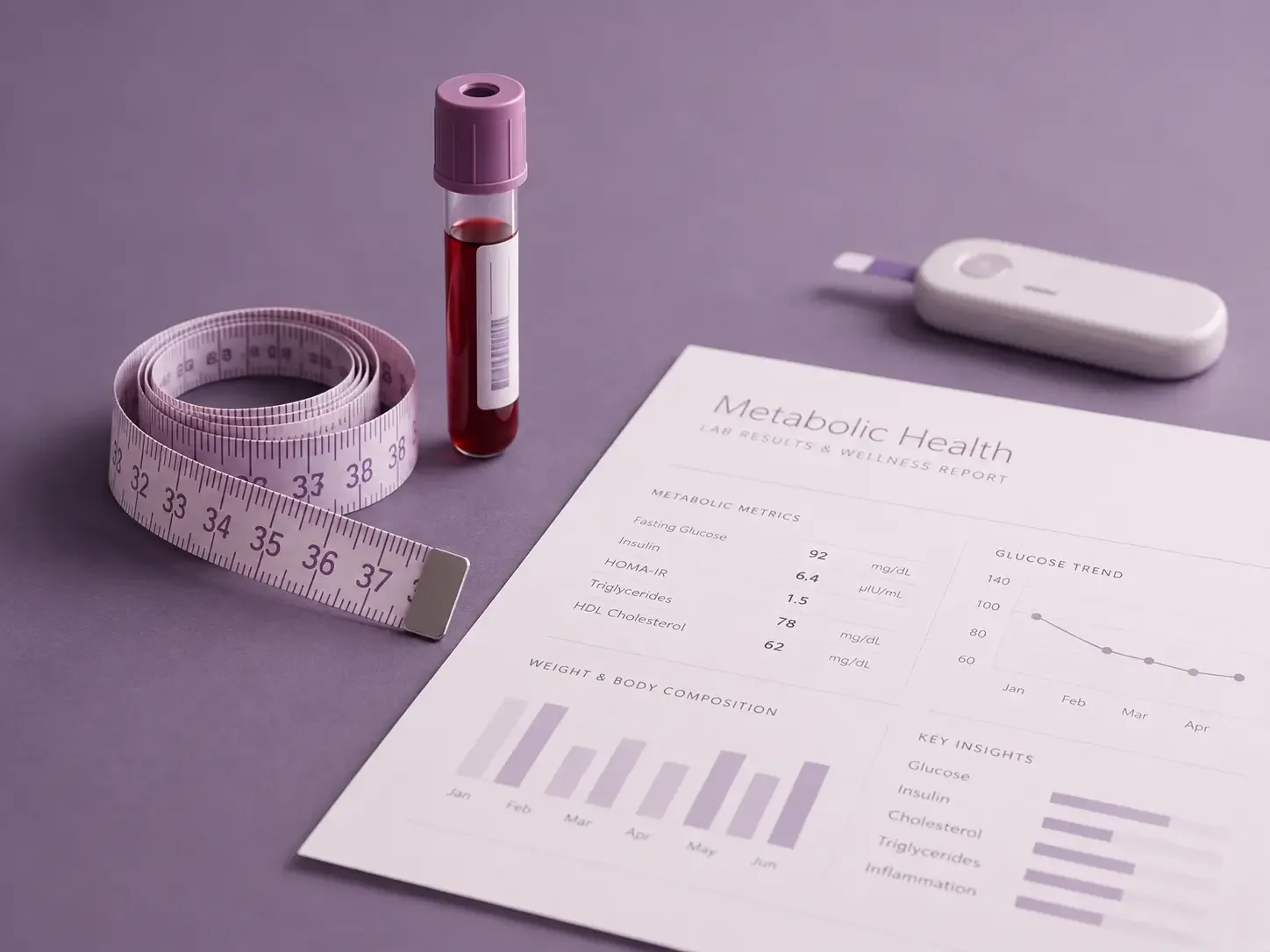
Hormones, blood sugar and body composition are closely linked, so we rarely look at one in isolation. Your plan covers whichever of these matter for you.
Women's hormone health
Perimenopause and menopause can affect much more than your cycle, from hot flashes and night sweats to sleep, energy and quality of life. Your provider looks at your symptoms, history, risk factors and labs, and when it is appropriate, hormone replacement therapy may be part of your plan.
Changes in testosterone often show up alongside changes in energy, strength, body composition, mood, sleep and recovery. We start with a full medical evaluation rather than assuming testosterone therapy is the answer. When it is appropriate, treatment is set up for you individually and monitored over time.
Weight is only one piece of metabolic health. Your team may look at glucose regulation, insulin resistance, body composition and heart health. Treatment can include nutrition and lifestyle support and, when clinically appropriate, prescription medications such as GLP-1 therapies.
Your provider checks how you are responding, keeps an eye on the relevant labs and safety markers, and adjusts treatment when needed. They will also talk you through the benefits, risks and alternatives before you start.
You can come to us just for hormone care, or move into one of our comprehensive programs if you want broader support.
GLP-1 medications, such as semaglutide and tirzepatide, help regulate appetite and blood sugar. For the right person, they can be a useful part of a weight and metabolic health plan.
Your planMedicationNutritionStrength trainingFollow up
Assessed first
Before prescribing, your provider looks at your history, labs and goals. GLP-1 medications are not right for everyone.
Muscle protected
They work best alongside nutrition and strength training, which helps protect muscle while you lose fat.
Checked regularly
Your provider checks in once you start, so the dose and the rest of your plan can be adjusted.
Honest about side effects
We talk through side effects and whether this is the right option for you. It is not a shortcut.
Learn more
Signs your hormones may be worth checking
Hormone changes often creep in slowly, so many people put the symptoms down to stress or age. These are some of the signs that bring people to us.
Perimenopause and menopause
Perimenopause can start in your early to mid 40s, sometimes earlier, and last several years. Common signs include irregular periods, hot flashes or night sweats, waking at night, brain fog, mood changes, lower libido, joint aches and weight gain around the middle.
Low testosterone in men
Testosterone tends to decline gradually with age. Signs can include low energy, reduced strength or muscle, more body fat, lower sex drive, poor sleep, irritability and slower recovery from training. Symptoms alone don't confirm it, which is why we test properly first.
Metabolic health
Insulin resistance can build for years before blood sugar looks abnormal. Clues include weight gain around the waist, energy crashes after meals, strong sugar cravings and rising blood pressure or triglycerides.
Hormone FAQ
Still have a question? Call us on 470 823 2228 or send us a message and we will get back to you.
For many women, HRT started at the right time and monitored properly is a reasonable and effective option. It is not right for everyone. Your provider will go through your personal and family history, benefits and risks before recommending anything.
Do I need labs before starting?
Yes. We look at your labs alongside your symptoms and history before deciding on treatment.
How long before I notice a difference?
It varies from person to person and depends on the treatment. Your provider will explain what to expect and when you will be checked again.
Do you treat both women and men?
Yes. We care for women through perimenopause and menopause, and for men with changes in testosterone, energy and recovery.
Is GLP-1 medication part of this?
It can be, when it is clinically appropriate. Prescription weight management is always considered as part of a wider plan that includes nutrition, strength training and regular follow up.
How often will I need follow up labs?
Your provider sets a schedule based on your treatment, so changes are checked and adjusted safely over time.
Feel more like yourself again
If any of this sounds familiar, a proper evaluation is the first step. We will look at your symptoms and labs together and talk through your options honestly.