

Precision Back Pain Assessment
Find out what your back is reacting to
A detailed assessment for anyone whose back pain is getting in the way of how they move, train, travel or work.
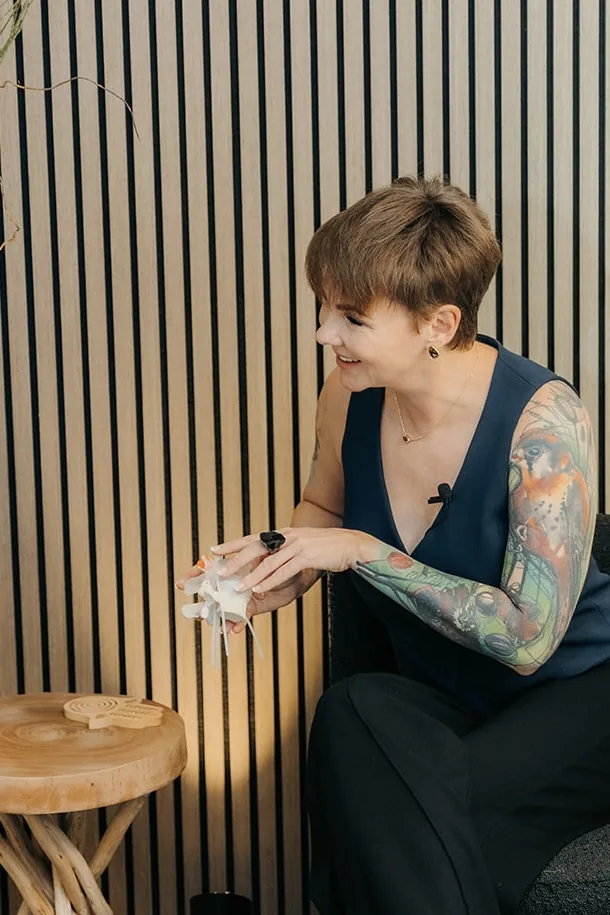
Kate Bolia takes time to examine your history and the movements, positions, and activities associated with your symptoms.

At a glance
How the assessment works
One long, focused session to find what triggers your pain and leave with a plan.
- Length
- Two and a half to three hours
- With
- Kate Bolia
- You leave with
- A plan you can start that day
- After
- Follow ups or small groups of up to 3
How it works
What happens in your assessment
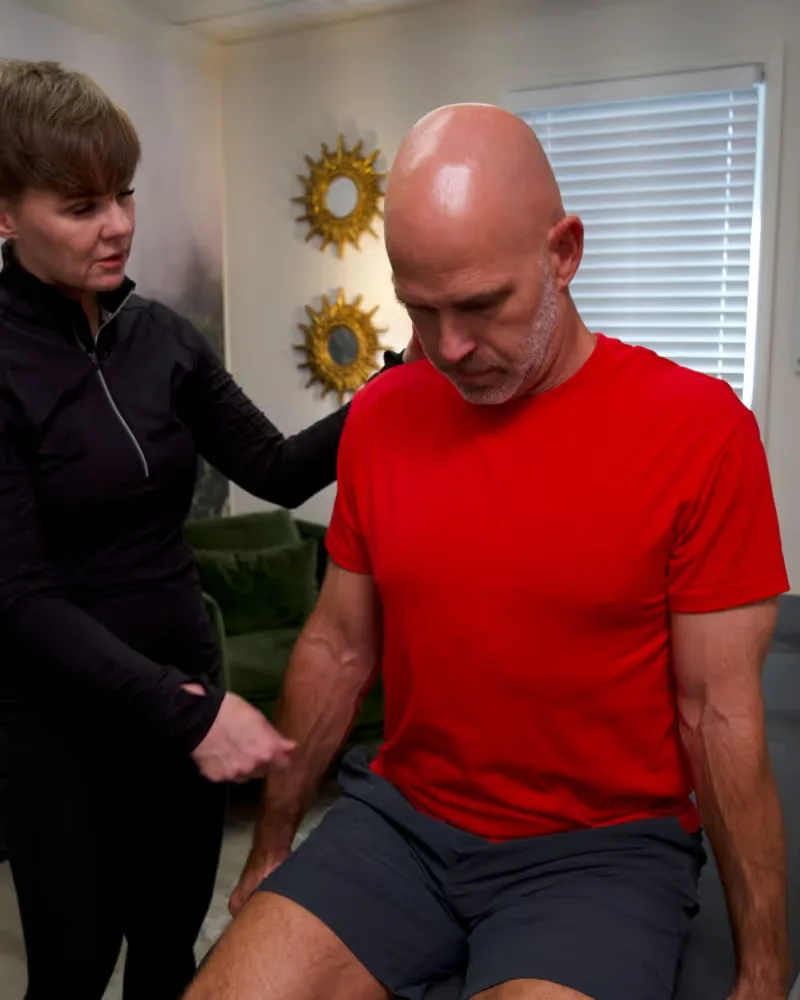
We look at how you move, what sets off your pain and how your muscles respond under load. You receive individualized recommendations for daily activities, exercise modifications, and an appropriate starting point for building physical capacity.
Find your triggers
This extended appointment examines your symptom pattern, daily habits, and physical responses to help identify useful movement and activity strategies.Find relief
We show you positions that ease your pain when it flares, so you have some control over bad days.Build back up
You leave with practical guidance for daily life, changes to your exercise, and a safe starting point for getting stronger.
At Apex Dunwoody
One long, focused session
The assessment usually takes two and a half to three hours and includes your evaluation and the start of your treatment. Many people come away with real insight into their pain after the first visit. Building lasting resilience usually takes a few follow up sessions.
If we think you need a medical evaluation or a specialist, we will tell you.
Planning your visit
How to get the most from your assessment
Bring your history
Any scans, reports or notes from doctors and therapists help us see the full picture.
Think about your pain
When does it start, what makes it worse and what helps? Even rough notes are useful.
Wear comfortable clothes
You will move through a range of positions.
Leave time after
The session is long and you will want a few minutes to take in your plan.
Learn more
Why back pain keeps coming back

Most back pain isn't caused by one dramatic injury. It usually builds from repeated movements and positions that keep irritating the same tissues, such as bending and lifting with a rounded back, long hours of sitting, or twisting under load.
Generic treatment often eases the pain for a while without changing what triggers it. That is why it returns. A precision assessment works the other way round: find the triggers first, then build a plan that avoids them while your back gets stronger.
Common triggers we look at
- Sitting for long periods, especially slumped
- Bending forward first thing in the morning
- Lifting, gardening or carrying children
- Certain exercises, like sit ups or heavy deadlifts
- Long drives or flights
- Poor sleep positions
When to see a doctor first
If you have numbness or weakness in your legs, loss of bladder or bowel control, fever with back pain, or pain after a fall or accident, get medical care right away.
Questions
Still have a question? Call us on 470 823 2228 or send us a message and we will get back to you.
Can this help if I've had back pain for years?
Often, yes. Long term back pain can stick around because the triggers were never properly identified. The assessment looks for the movement habits and compensations that keep the cycle going.
How is this different from physical therapy or chiropractic care?
We spend the time to find your specific triggers before recommending any exercise or treatment, and build a plan around your own movement patterns and pain responses.
Is it safe if I have a disc problem or another diagnosis?
The assessment is designed to work with a range of spinal conditions, including disc issues. It identifies movements that protect your back while you build the stability you need.
Can I get back to training afterward?
Yes. Kate offers follow up sessions and small group classes of no more than three people to help you return to exercise safely, based on your own pain triggers.
How long is the assessment?
Usually two and a half to three hours. That includes your evaluation and the start of your treatment, so plan a little time afterward too.
Do I need a referral?
No. You can book directly.

Stop guessing about your back
One focused session can show you what has been setting off your pain and what to do instead.
Visit Apex Dunwoody
Our Dunwoody studio
1709 Mt. Vernon Road, Suite C, Dunwoody, GA 30338 · 470 823 2228 · info@aplwellness.com
Mon to Thu, 9 AM to 6 PM · Fri, 9 AM to 3 PM · Sat and Sun, by appointment
 1709 Mt. Vernon Road